
PTSD and Sleep: What to Tell Your Doctor When You’re Always Tired
Sleep · PTSD · Free guide
Exhausted, but still on alert at bedtime? Put your sleep pattern, next-day struggles and treatment history into words. Use this free guide to prepare for a more useful conversation with your provider.

Huntington’s and Everyday Decisions: A Guide for Your Next Care Conversation
Huntington’s disease · Neurology · Free guide
Small decisions can reveal changes worth discussing. Prepare a clear care conversation, then read the VA rating labels with their limits explained.

Back Pain Changes Your Day: What to Tell Your Clinician
Back health · Spondylolisthesis · Free guide
Explain what back symptoms change, understand the lower-back rating terms and prepare focused questions for your clinician. Includes a printable observation page and the full VA criteria overview.

Stiff Middle Finger? How VA Measures It
Hand and finger · Musculoskeletal ratings · Free guide
See how VA rates a stiff or fixed long (middle) finger: the fingertip-to-crease gap, how far it straightens and the separate fixed-joint entry. Includes a labeled hand diagram, questions for your clinician and a daily-task log.

Old Retina Scar, New Wavy Lines: When to Call Your Eye Doctor
Eye health · Retinal scars · Free guide
If you have an old scar near the center of your retina, learn which new vision changes deserve a prompt call, how to describe them clearly and what to ask your eye doctor. Free 8-page guide.
Prednisone and Blood Sugar: What to Ask Your Prescriber
Medicines and side effects · Diabetes · Neck and nerve health · Free guide
What the prednisone label says about blood sugar, the three questions to ask before a steroid course, and printable pages for your dates, diabetes medicines and any readings your prescriber asks for.

Morning Headaches: Describe the Pattern, Understand a Diagnosis
Brain symptoms and diagnosed benign brain tumors · Free guide
Organize headache patterns and daily changes for a care visit. For a diagnosed benign brain tumor, understand the two distinct DC 8003 provisions and prepare focused follow-up questions.
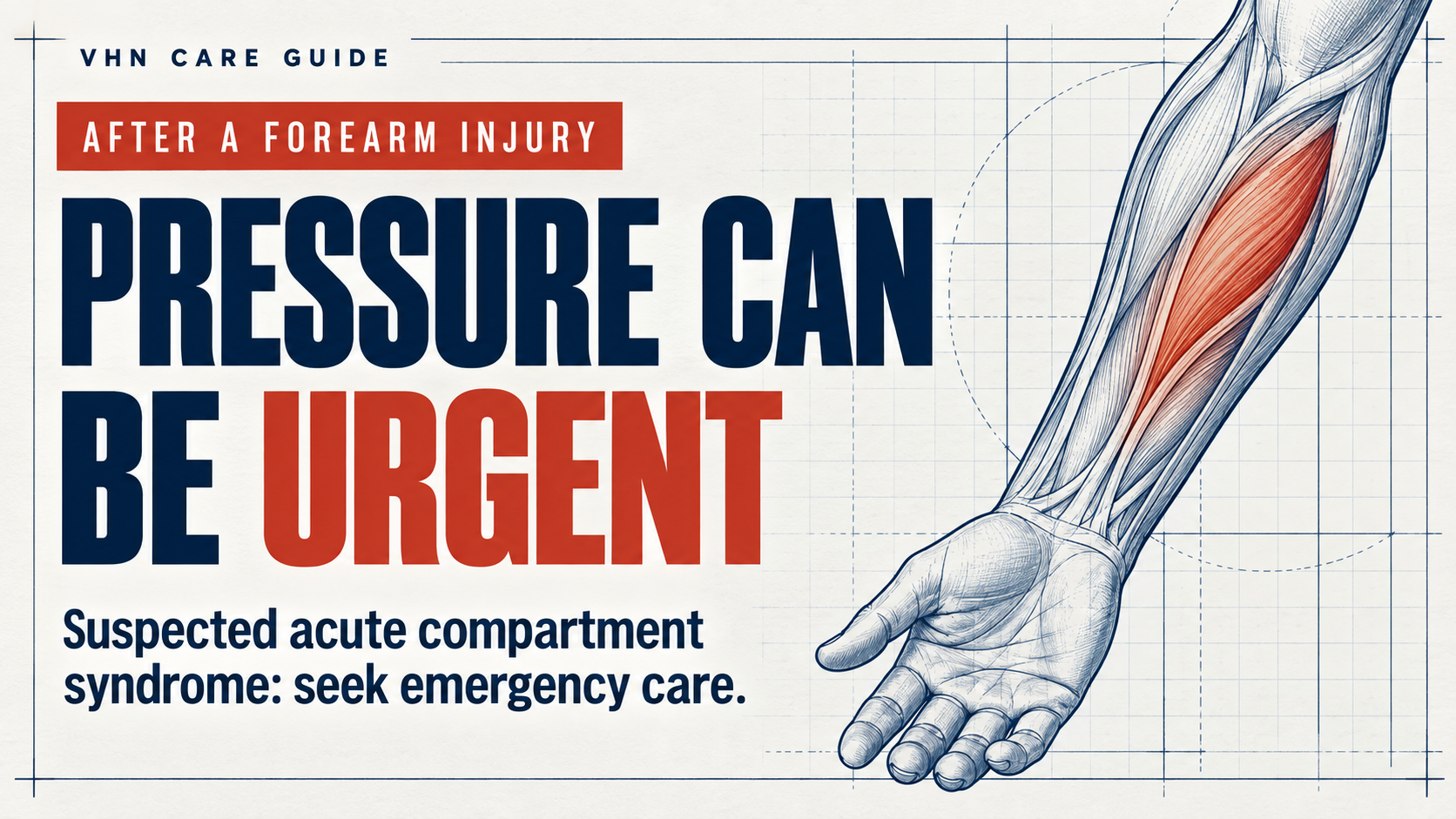
Forearm Pain After Injury: When Pressure Is an Emergency
Acute compartment syndrome after an injury · Free guide
Understand why severe forearm pain and tightness after an injury can need immediate emergency assessment. After urgent care, organize your injury history and follow-up questions.

Taking Dolutegravir? Bring Sleep Changes to Your Prescriber
Dolutegravir and possible insomnia · Free guide
Prepare a clear sleep and treatment timeline to discuss with your prescriber. Learn what the dolutegravir label says, what timing cannot prove and which questions to bring.

Rheumatic Fever and Your Heart Valves: A History and Questions Guide
Rheumatic fever and heart valves · Free guide
Had strep throat followed by joint pain that moved from joint to joint? Learn how rheumatic fever can involve heart valves years later, write down your history and bring clear questions about murmur checks and echocardiograms to your clinician.
Presumptive, Explained: What It Covers and What You Still Show
Presumptive conditions and the VA claims process · Free guide
VA says it will "automatically assume" service caused a presumptive condition. That covers the link to service, not the whole claim. Learn the four things you still show, how level and timing rules differ by list, why the rating is separate, and which questions to take to free accredited help.

VA Math, Explained: How Ratings Combine (and Why They Don't Add)
VA combined disability ratings and the claims process · Free guide
VA doesn't add disability ratings. It combines them with the "whole person" method, so 50, 30 and 20 come out to 70%, not 100%. Walk through the four steps, check them against a practice table built from VA's own Combined Ratings Table, and bring the right questions to free accredited help.